Why this question matters for patients
Choosing a dental clinic abroad is not just about saving money. It is about trusting a team with your health, your smile, and often a significant financial investment. Many patients searching for dental tourism in Portugal hesitate between attractive low prices and higher-end offers that promise better quality.
This hesitation is completely normal. Behind the words “low cost” and “premium,” there are real differences that can impact the success of your treatment, the durability of your implants, and your overall experience.
Understanding these differences is essential before making a decision you might regret.
What “low cost dental care” really hides
The term “low cost” is extremely appealing. It suggests that you can access the same treatment for a fraction of the price. But in reality, the situation is often more complex.
In many cases, low cost dental care relies on compromises that are not always visible at first glance.
The first issue concerns the treatment plan. A low cost clinic may provide a simplified or incomplete plan, sometimes without a detailed explanation of the procedures, materials, or long-term expectations. This lack of transparency can lead to misunderstandings or unexpected additional costs later.
Another important point is the quality of materials. Some clinics use implants or prosthetics from lesser-known brands, which may not offer the same level of reliability or long-term clinical validation as premium systems.
The organization of care can also be problematic. In some structures, dentists are not permanently employed but work as freelancers or visiting practitioners. This can create inconsistencies in follow-up and accountability.
Finally, post-treatment care is often minimal or nonexistent. Once the treatment is completed, the patient may be left alone without proper guidance or long-term monitoring.
These elements do not necessarily mean that all low cost care is bad, but they significantly increase the level of risk for the patient.
Premium dental tourism: what you are really paying for
When patients hear the word “premium,” they often think it simply means “more expensive.” In reality, premium dental tourism in Portugal is about structure, predictability, and long-term success.
What you are paying for is not just the treatment itself, but the entire process surrounding it.
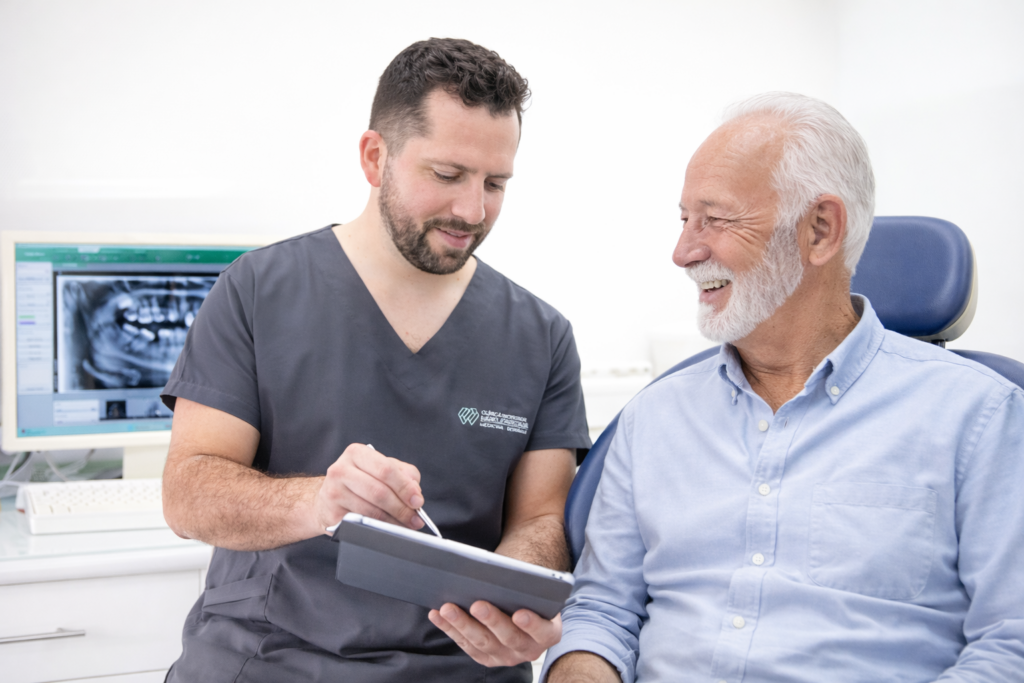
A premium approach begins with a comprehensive diagnosis. This includes detailed imaging, careful planning, and a clear explanation of every step of the treatment.
The materials used are typically from internationally recognized brands, ensuring better durability and clinical reliability. This is especially important for implantology, where the choice of implant system can directly affect long-term outcomes.
Another key aspect is the organization of the treatment journey. The number of stays, healing periods, and prosthetic phases are carefully planned in advance, reducing uncertainty and stress for the patient.
Follow-up is also a major differentiator. Even after returning home, patients benefit from structured monitoring and clear instructions, which are essential for maintaining results over time.
In short, premium dental tourism is about minimizing risk and maximizing predictability.
Clear comparison: low cost vs premium dental tourism
Here is a simplified comparison to help you understand the real differences between both approaches.
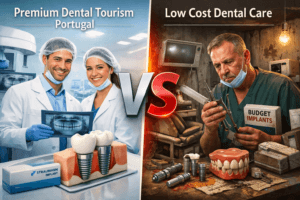
Low cost dental care vs Premium dental tourism in Portugal
| Criteria | Low cost dental care | Premium dental tourism Portugal |
|---|---|---|
| Implant brands | Unknown or low-cost brands | Recognized brands (Straumann, DIO, Nobel Biocare) |
| Treatment plan | Simplified or unclear | Detailed and fully explained |
| Number of stays | Unclear or poorly planned | Precisely scheduled |
| Dentist involvement | Rotating or freelance practitioners | Dedicated and stable team |
| Follow-up | Limited or absent | Structured and organized |
| Prosthetic quality | Variable quality | High-end materials (zirconia, hybrid prosthesis) |
| Long-term reliability | Uncertain | Optimized for durability |
This comparison highlights a crucial point: the difference is not only about price, but about the level of control over the entire treatment process.
The most common mistakes patients make
Many patients fall into the same traps when choosing a clinic abroad. These mistakes are understandable, but they can have serious consequences.
The first mistake is focusing only on price. While saving money is important, choosing the cheapest option without understanding what is included can lead to poor outcomes.
Another frequent error is accepting a vague quote. A professional treatment plan should always specify the type of implant, the prosthetic solution, and the number of visits required.
Some patients also underestimate the importance of follow-up. Dental treatments, especially implants, require monitoring. Ignoring this aspect can compromise the long-term success of the procedure.
Finally, many people assume that all clinics offer the same level of quality. This is not true. There are significant differences in expertise, equipment, and organization.
Avoiding these mistakes is essential to ensure a safe and successful experience.
Why Portugal offers premium care at accessible prices
One of the most interesting aspects of dental tourism in Portugal is the ability to access high-quality care at more affordable prices compared to countries like France or the UK.
This is not because the care is cheaper in terms of quality. It is mainly due to structural factors.
Operational costs such as salaries, rent, and taxation are generally lower than in Northern Europe. This allows clinics to offer competitive prices while maintaining high standards.
Portugal also benefits from strict European regulations, ensuring safety, hygiene, and professional qualifications.
In addition, many clinics invest heavily in modern technologies and continuous training, which contributes to a high level of expertise.
The result is a unique balance between quality and affordability that attracts patients from all over Europe.
The real cost of a failed treatment
One aspect that is often overlooked is the cost of failure.
A poorly executed dental treatment can lead to complications such as implant failure, infections, or prosthetic issues. Correcting these problems is often more complex and more expensive than the initial treatment.
In some cases, patients need additional surgeries, bone grafts, or complete rehabilitation. This not only increases financial costs but also physical and emotional stress.
Choosing a low cost solution without considering these risks can therefore be a false economy.
Investing in a premium dental tourism Portugal approach is often the safest way to avoid these scenarios.
The Smile Porto approach
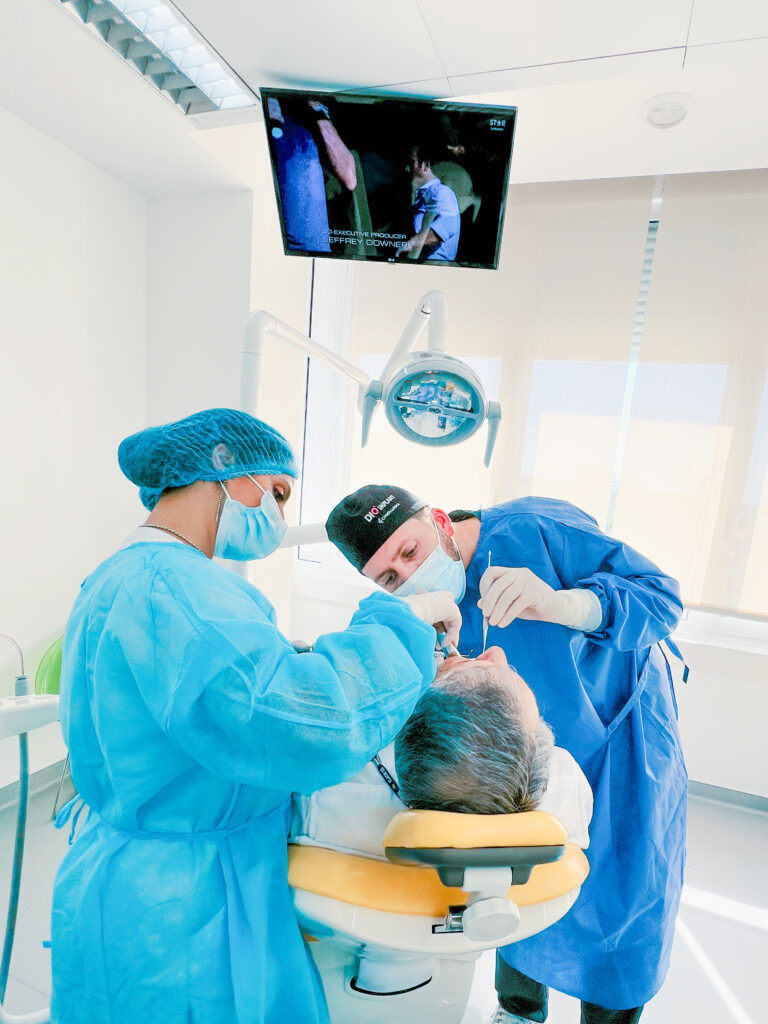
At Smile Porto, the philosophy is clear: combine high-quality care with a structured and transparent patient journey.
Each patient benefits from a detailed analysis of their case before any decision is made. The treatment plan is explained step by step, with a clear breakdown of procedures and timelines.
The clinics work with recognized implant systems and modern technologies, ensuring reliable and predictable results.
The organization of stays is also optimized. Patients know exactly how many visits are required and what each phase involves.
Most importantly, the support does not stop after the treatment. Patients receive guidance and follow-up to maintain their results over time.
This approach reflects the true meaning of premium dental tourism in Portugal: quality, transparency, and long-term success.
How to recognize a reliable dental clinic in Portugal
Choosing the right clinic is essential. There are several indicators that can help you make the right decision.
A reliable clinic will always provide a detailed treatment plan. Transparency is a key sign of professionalism.
The use of recognized implant brands is another important factor. It reflects a commitment to quality and long-term reliability.
Clear communication is also crucial. Patients should feel informed and supported at every stage of the process.
Finally, the organization of the treatment journey should be precise and well structured. Uncertainty is often a warning sign.
Taking the time to evaluate these elements can make a significant difference in your experience.
FAQ about low cost vs premium dental tourism
Is low cost dental care always risky?
Not necessarily, but it often involves compromises that increase uncertainty and potential complications.
Why is premium dental tourism more expensive?
Because it includes better materials, detailed planning, and structured follow-up, which improve long-term outcomes.
Can I save money with premium care in Portugal?
Yes, even premium care is often significantly more affordable than in many Western European countries.
How can I verify the quality of a clinic?
By checking the clarity of the treatment plan, the materials used, and the overall organization of the patient journey.
Is follow-up really important after dental treatment?
Yes, follow-up is essential to ensure healing, stability, and long-term success.
Choosing safety over uncertainty
When comparing low cost and premium options, the real question is not “how much can I save,” but “how much risk am I willing to take.”
Dental tourism in Portugal offers a unique opportunity to access high-quality care at reasonable prices. But within this market, not all offers are equal.
Choosing a premium dental tourism Portugal approach means choosing safety, predictability, and long-term peace of mind.
And in healthcare, that is often the most valuable investment you can make.
SOURCES:
European Commission (2021) – Patients’ rights in cross-border healthcare
Explains how patients can receive medical and dental care in another EU country with regulated standards and patient rights.
International Team for Implantology (ITI) (2023) – Dental implant treatment guidelines
Provides clinical guidance on implant planning, materials, and long-term success factors in modern implant dentistry.
European Association for Osseointegration (EAO) (2021) – Guidelines for implant dentistry
Details best practices and clinical recommendations to ensure safety, quality, and predictability in implant treatments.
Cochrane Oral Health Group (2022) – Interventions for replacing missing teeth: dental implants
Summarizes scientific evidence on implant success rates, risks, and factors influencing long-term outcomes.
OECD (2023) – Health at a Glance Europe
Provides data on healthcare quality, costs, and system differences across European countries, including access and affordability.
(Consulted on 06/04/2026)